

988
𝟗𝟖𝟖
- Joined
- Apr 15, 2026
- Messages
- 29
- Reaction score
- 63
So, i know many new members are definetly new to LM, and dont know a bunch of things because they get tossed around and are now seen as buzzwords. But dont fear, for i am here! jfl
Lets start this off by saying; cortisol is not ONLY stress levels, but its a little close. Cortisol is simply a hormone that your adrenal glands (a part in your kidney) make and release. It's a glucocorticoid, or otherwise known as a type of steroid hormone. It isnt just for stress either, but its a hormone used for nearly every organ and tissue in your body! Your body uses cortisol to regulate your sugar for energy, it decreases inflammation, it regulates blood pressure, and helps your sleep schedule. Your body monitors your cortisol levels, and if its too high or too low, it could be harmful. Cortisol still does play a part during your bodies stress response, releasing cortisol during acute stress, chronic stress, and traumatic stress. Cortisol also releases during adrenaline, and pumps more sugar into your blood so you can stay energized while stressed.
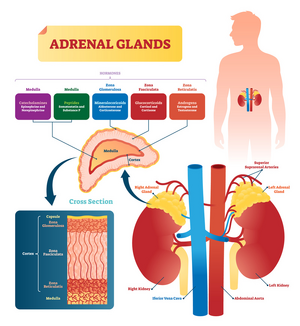
Cortisol is something thats usually controlled by a circadian rhythm, which is basically your internal clock. Your suprachiasmatic nucleus (ill refer to it as SCN), located in the hypothalamus, basically controls your body schedule. When you wake up to a light, or a morning light, it sends a signal directly to the SCN, and it then releases cortisol to help you wake up. This is why waking up in a dark room actually makes you feel more tired. Your circadian rhythm also controls your body heat throughout the day, and when it starts to get late, your SCN, or circadian rhythm, releases melatonin in your body to help you feel more tired so you can sleep. Things like your phone screen at night or not getting enough sunlight will fuck up your circadian rhythm.
Now, ill show you when your cortisol should rise or lower throughout the day.
When you wake up, early in the morning, so around 6-9AM, your brain releases cortisol to help you feel awake and alert. This is when your cortisol should be the highest during the day (naturally)
During the afternoon, cortisol levels should slowly drop. The morning was when you were supposed to have the most amount of cortisol without any other activities. But, during the afternoon, theres alot of stuff that could temporarily raise your cortisol levels (mostly paired with adrenaline). For example, exercising could raise your cortisol levels, especially if your pushing yourself for a new pb or something. Caffeine, illnesses or injuries and all types of stress could raise your cortisol for a while to help you deal with it and be energized.
This is when your SCN usually stops releasing cortisol, and instead starts to release melatonin to help your body relax. if you stay up late, it could fuck up your circadian rhythm.
Now, you might say: "But wait! This sounds alot like adrenaline!" and thats because, cortisol acts as adrenalines partner. They both usually work together, but they do different things. Adrenaline is the hormone that acts fast, and activates "fight or flight" instincts, and also fades quickly. Cortisol instead is the slower one, working behind the scenes and doing long term managing for your stress and sugar levels, and also fading much slower. Adrenaline could rise and drop multiple times a day, while cortisol could stay elevated or lowered for days. Adrenaline also primarily increases heart rate and blood pressure, to provide short bursts of energy, while cortisol usually increases sugar into the bloodstream to keep you energized and fuel your body.
Thats about all i have to say for cortisol, if you have any questions dont be afraid to ask! same thing goes for pointing out a mistake i made or something i missed out on. Thanks for reading!
I am also trying out a new typing style lmao, tell me if its weird
Tags: @alex @Retamg @Trueteen14 @webs
Last edited:

 Nicely made


